
Water, Sanitation and Hygiene
- Home
- Water, Sanitation and Hygiene
Water, Sanitation and Hygiene
Since 2015, OCHR has implemented 25 projects in the Water, Sanitation, and Hygiene (WASH) sector, significantly enhancing the quality of life for numerous communities. These initiatives have reached 190,000 households, benefiting approximately 1,330,000 individuals. The projects encompass a comprehensive range of activities, including the construction and rehabilitation of pipe scheme networks and bore wells, water trucking, and water treatment. OCHR’s efforts in hygiene promotion and the distribution of essential WASH supplies have been pivotal in improving public health standards. Additionally, the organization has focused on the construction and rehabilitation of sanitation facilities, emergency bathing spaces, and latrines, ensuring that communities have access to safe and dignified sanitation options.
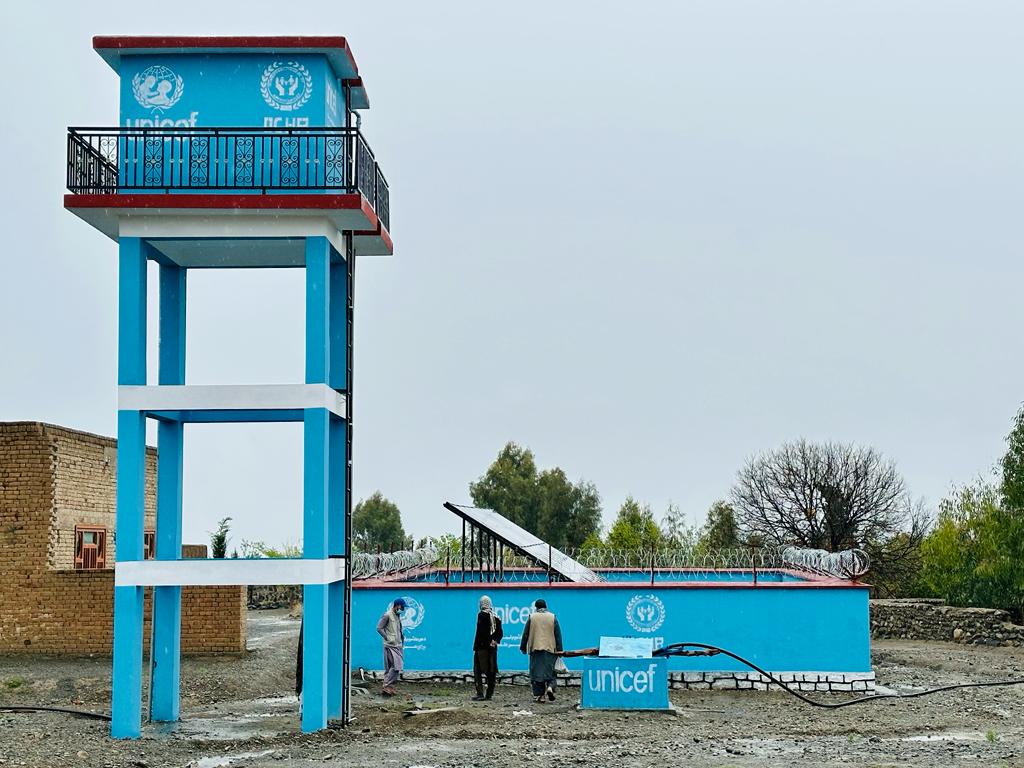
In 2022-2023, OCHR completed 23 solar-powered pipe scheme networks, providing clean drinking water to around 60,000 households in the western and southeastern regions. Hygiene promotion activities included the distribution of soap bars, aqua tabs, and hygiene kits to 190,000 households, emphasizing the importance of proper hygiene practices. OCHR also prioritized WASH initiatives in schools and communities, along with the distribution of hygiene and family care supplies, reaching 127,000 households in 2022 alone. These comprehensive efforts highlight OCHR’s commitment to improving water access, sanitation, and hygiene, contributing to healthier and more resilient communities.
Objective: Life-saving assistance to crisis-affected populations.
OCHR provides immediate access to safe drinking water through water trucking, installation of water storage tanks, and rapid rehabilitation of damaged water points during droughts, earthquakes, and displacement crises. This intervention directly contributes to reducing acute water shortages and preventing waterborne disease outbreaks.
Objective: Strengthening resilience of basic services.
OCHR constructs deep boreholes equipped with solar-powered pumping systems and elevated reservoirs in underserved rural communities. These systems enhance long-term water security, reduce operational costs, and promote environmentally sustainable solutions.
Objective: Sustain and restore critical infrastructure.
OCHR rehabilitates hand pumps, piped schemes, and gravity-fed systems to restore reliable water access. This approach maximizes existing infrastructure and improves cost-effectiveness while ensuring continuity of essential services.
Objective: Improve dignified access to sanitation services.
OCHR constructs emergency and durable household latrines, ensuring gender-segregated and culturally appropriate facilities. These activities reduce open defecation, enhance privacy and dignity—particularly for women and girls—and mitigate public health risks.
Objective: Protect children and maintain access to essential services.
OCHR rehabilitates school WASH facilities, installs handwashing stations, and ensures safe drinking water access. This contributes to improved attendance, especially for girls, and reduces school-based disease transmission.
Objective: Prevent disease outbreaks and promote behavior change.
Through structured hygiene awareness sessions, CLTS triggering, and community engagement, OCHR promotes handwashing, safe water handling, and menstrual hygiene management. Behavior change communication reduces the incidence of diarrheal diseases and strengthens community ownership.
Objective: Address immediate hygiene needs of vulnerable populations.
OCHR distributes hygiene kits and dignity kits tailored to women, girls, IDPs, and returnees.
This ensures protection-sensitive support and mitigates public health risks in emergency settings.
Objective: Reduce WASH-related morbidity and mortality.
Regular water quality testing, chlorination campaigns, and provision of purification tablets ensure compliance with national and cluster standards. These measures are critical in outbreak-prone and high-risk environments.
Objective: Ensure equitable access for displaced and mobile populations.
OCHR installs temporary sanitation facilities, emergency water systems, and hygiene infrastructure at border crossings and transit centers. This supports dignified, safe access to services for returnees and displaced households.
OCHR integrates the following across all WASH interventions:
- Gender, Age & Disability Inclusion: Disaggregated targeting and accessible facility design.
- Protection Mainstreaming: Privacy, safety, and community consultation embedded in all infrastructure.
- Accountability to Affected Populations (AAP): Feedback mechanisms and community engagement.
- Localization: Collaboration with CDCs, local authorities, and community WASH committees.
- Climate Adaptation: Solarization and water resource sustainability approaches.


